Skin Problems
Black Spots
Home / Black Spots





Black Spots
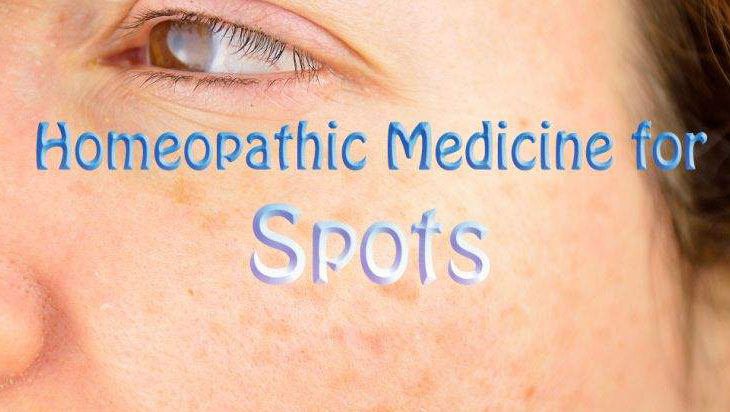
Dark spots on the skin—also known as hyperpigmentation, age spots, solar lentigines, or liver spots, depending on their cause—can happen at any time, but most often appear in middle age. Most often, they are a consequence of past sun exposure or artificial UV light used in tanning beds. The spots are also associated with certain skin conditions and can occur as a side effect of some medications as well. Dark spots are generally harmless, but there are times when they could be cancerous. They can be lightened or removed if you so desire.
Symptoms
These spots can range from light to dark brown or black in color, are flat, and generally oval-shape. Dark spots can develop anywhere, but they are most likely to appear on the parts of the body that receive the most sun exposure, including:
-
The face
-
The backs of the hands
-
The shoulders
-
The arms
-
The back
-
Pregnancy
-
Liver disease
-
Addison’s disease
-
Hemochromatosis (excessive iron)
-
Pituitary tumors
While usually small, several spots can group together and form larger areas of darkened skin.
Causes and Risk Factors
Dark spots are the result of the overproduction or collection of melanin (skin pigment) and/or free radical damage.
Diagnosis
Your primary care doctor or a dermatologist can usually diagnose dark spots upon physical examination. Unless a spot looks suspicious, a biopsy or further testing is not necessary.
Treatment
Dark spots don’t hurt and they have the same texture as the rest of your skin. Most of the time they don’t pose any health risks, so you don’t have to get rid of them, although many people choose for cosmetic purposes. Dark spots can be diminished or removed completely with Homoeopathy, and at-home treatments.