Treatments
Sexual Disease (गुप्त रोग ) Male
Home / Sexual Disease Male





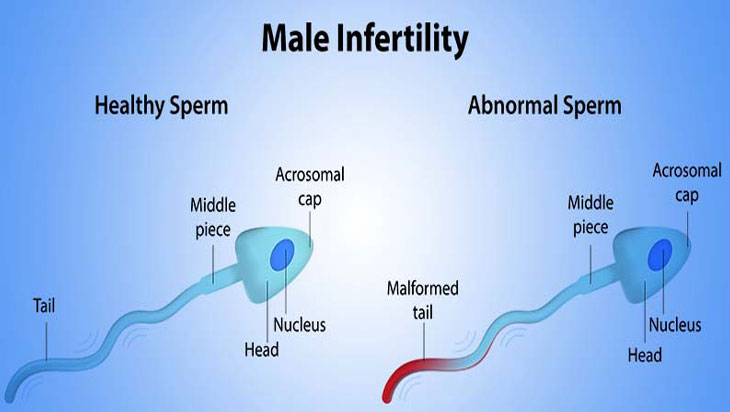
Male Infertility – Overview
Infertility is the inability to conceive after at least one year of unprotected intercourse. As most couples are able to conceive within this time, it is advised that those who are not able to conceive should be checked for fertility problems. When the word infertility is mentioned, very few people think of male infertility. Most people think that infertility is often associated with women. However, male infertility is the reason behind 40% infertility cases. Notably, hormonal problems, other illnesses, reproductive organ injuries and blockages, sexual problems like erectile dysfunction and premature ejaculation can temporarily or permanently affect sperms and prevent conception. Some disorders become more difficult to treat the longer they exist without treatment.
Sperm production takes place in the tubes of the testes. Inside the testes, sperm grow into mature sperm. Energy generated inside each sperm powers its tail so that it can swim to the female egg once inside the vagina. Sperm production and development are controlled by other hormones in the body. Low sperm counts or low motility of sperms are also reasons for male infertility.
Incidence
-
Studies show that the sperm counts of Indian men have dropped by one-third in the past three decades.
-
More than 12 to 18 million couples in India are diagnosed with infertility every year.
-
Presently, almost 40% men in the reproductive age group are undergoing a quantitative and qualitative decline in sperm quality.
-
Stress also decreases the hormones that stimulate sperm production.
-
A 10-year-long AIIMS study surveyed 1,000 men from north India and found that lifestyle factors like tight clothing, hot tub dips and long visits to the sauna, intensive gardening and farming resulting in pesticide exposure, and increased obesity rates were major causes for decreasing sperm count.
Male Infertility – Causes
Some of the most common causes for infertility include the following:
-
diabetes
-
sexual dysfunction such as premature ejaculation and erectile dysfunction
-
defect or obstruction in the reproductive system
-
diseases like certain types of anaemia and sexually transmitted diseases
-
hormone problems like low levels of testosterone
-
infection of the prostate and testes
-
injury to the testes
-
medication used in the treatment of high blood pressure, arthritis, etc.
-
retrograde ejaculation, a condition in which semen flows backwards into the bladder during ejaculation
-
other diseases such as high fever, various kinds of infections, kidney disease, cancer of the testes
-
certain birth defects, known as congenital defects, can also cause male infertility
-
chemotherapy
Male Infertility – Symptoms
In most cases, there are no obvious signs of infertility. Intercourse, erections and ejaculation usually happen without difficulty. The quantity and appearance of ejaculated semen generally appears normal to the naked eye. The only symptom most men with male infertility may notice is the inability to conceive a child, but other signs and symptoms may be associated with male infertility, depending upon the cause:
-
problems with sexual function; for example, difficulty with ejaculation or small volumes of fluid ejaculated, reduced sexual desire or difficulty maintaining an erection (erectile dysfunction)
-
pain, swelling or a lump in the testes area
-
recurrent respiratory infections
-
inability to smell
-
abnormal breast growth in men
-
decreased facial or body hair, or other signs of a genetic or hormonal abnormality
-
lower than normal sperm count (fewer than 15 million sperms per millilitre of semen or a total sperm count of less than 39 million per ejaculate)
Male Infertility – Diagnosis
Diagnosis can involve a medical history from the man and a physical examination along with a semen analysis to check the number, shape and movement of sperm in the ejaculation. Blood tests may also be done to check the levels of hormones that control sperm production. Genetic investigations and testicular biopsies may also be done. To diagnose male infertility, the following routine checks will be done as per clinical history:
-
A proper study of the patient’s medical and surgical history is necessary.
-
The testes and sex organs are examined physically to see how well they are developed.
-
The patient’s developmental history is also studied to check whether there were any early or late puberty problems.
-
The doctor may ask whether if they have biologically fathered a child before.
-
It is important to know the time of sexual intercourse.
-
Any history of sexually transmitted diseases must be shared.
-
If the patient uses lubricants during sexual intercourse, it may kill some sperms.
-
A semen analysis will be prescribed. Generally, three semen samples are taken at different times to understand the exact quality of sperms.
-
Azoospermia is the absence of sperm in the semen. Men with normal reproductive tracts and hormone systems can have azoospermia due to a lack of sperm-producing tissue or an obstruction in the testes.
-
Blood tests identify disorders that impair testosterone and sperm production.
Complications
Infertility can be stressful for couples. Complications related to male infertility may include the following:
-
surgery or other procedures to treat an underlying cause of low sperm count or other reproductive problems;
-
expensive reproductive techniques;
-
strain in relationship due to the inability to have a child;
-
infertility in both partners may complicate the treatment;
-
severe infertility or infertility for more than three years is more difficult to treat;
-
advancing age may cause a sense of urgency about the treatment;
-
failure in treatment can cause frustration, resentment, a feeling of inadequacy, anger, guilt and marital problems; and
-
time and financial costs of fertility treatment may cause an additional burden.
Male Infertility – Treatment
A study has demonstrated the efficiency of homeopathy in improving the quality and quantity of sperms in cases of male infertility*.
“This prospective observational pilot study investigated the effect of individualised homeopathy on male infertility based on sperm count, hormonal values and general health. Forty-five subfertile men were treated with single homeopathic remedies for an average of 10.3 months. The drugs were prescribed on the basis of the overall symptomatic situation. The variables ‘sperm density’, ‘percentage of sperm with good progressive motility’ and ‘density of sperm with good propulsive motility’ improved significantly, especially in cases of oligoasthenozoospermia. The general health of patients improved significantly. The following factors emerged as positive predictors of therapy success: alcohol consumption below 30 g/day, non-smoking, the presence of less than five dental amalgam fillings, no exposure to noxious substances at the workplace and no previous inflammatory genital diseases. Factors such as stress, age above 36, high coffee consumption and long duration of unwanted childlessness did not have a negative impact on therapy outcome in this study. The rate of improvement in sperm count through homeopathic therapy is comparable to the improvement achieved by conventional therapy, so that individualised-homeopathic treatment may be considered a useful alternative to conventional treatment of subfertile men.”
All Types of Male Sexual Problembs are Treated in Dr.H.M.Soni Homoeopathic Hospital.
Moreover, as compared to conventional treatment, homeopathic medicine is far safer and also very cost effective.
Why Dr H.M. Soni?
Dr H.M. Soni, successfully treated cases of male and female infertility. Many of our patients have testified that they could successfully conceive after their homeopathic treatment at Dr H.M. Soni. systematically evaluate all the medical and psychological causes of male infertility and offer treatment accordingly.