Treatments
C.K.D
Home / C.K.D




Contact Us
Phone
+91 7905514955
+91 7905232539
Location
Dr.H.M.Soni
Homoeopathic Hospital
Shivaji Nagar ,JHANSI [U.P.]
C.R.F.
Chronic kidney failure, also known as chronic Renal failure, chronic renal disease, or chronic kidney disease, is a slow progressive loss of kidney function over a period of several years.
The symptoms of worsening kidney function are non-specific, and might include feeling generally unwell and experiencing a reduced appetite.
CKD is initially without specific symptoms and is generally only detected as an increase in serum creatinine or protein in the urine. Later on there is-
-
increased urination, especially at night
-
decreased urination
-
blood in the urine (not a common symptom of chronic renal failure)
-
urine that is cloudy or tea-coloured
-
puffy eyes, hands, and feet (called edema)
-
high blood pressure
-
fatigue
-
shortness of breath
-
loss of appetite
-
nausea and vomiting (this is a common symptom)
-
thirst
-
bad taste in the mouth or bad breath
-
weight loss
-
generalized, persistent itchy skin
-
muscle twitching or cramping
-
a yellowish-brown tint to the skin
-
Type 1 or type 2 diabetes
-
High blood pressure
-
Glomerulonephritis
-
Interstitial nephritis, an inflammation of the kidney’s tubules and surrounding structures
-
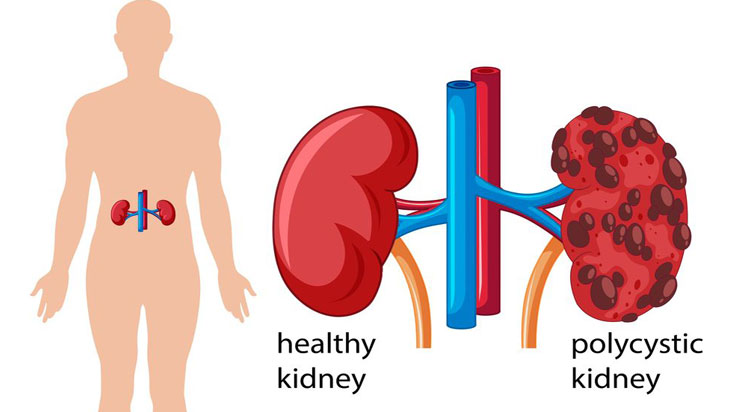
Polycystic kidney disease
-
Prolonged obstruction of the urinary tract, from conditions such as enlarged prostate, kidney stones and some cancers
-
Recurrent kidney infection, also called pyelonephritis
-
Stage 1: Kidney damage with normal or increased GFR(>90 mL/min/1.73 m2)
-
Stage 2: Mild reductionin GFR (60-89 mL/min/1.73 m2)
-
Stage 3: Moderate reductionin GFR (30-59 mL/min/1.73 m2)
-
Stage 4: Severe reductionin GFR (15-29 mL/min/1.73 m2)
-
Stage 5: Kidney failure(GFR <15 mL/min/1.73 m2 or dialysis)
-
Anemia – hemoglobin levels drop and not enough oxygen reaches many parts of the body.
-
Central nervous system damage.
-
Dry skin, skin color changes.
-
Fluid retention – this can lead to swollen tissue, heart failure, and fluid build-up in the lungs.
-
Hyperkalemia– blood potassium levels rise; this can result in heart damage.
-
Insomnia – this is a common consequence of kidney failure
-
Lower libido (sex drive)
-
Male erectile dysfunction.
-
Osteomalacia– bones become weak and break easily.
-
Pericarditis – the sac-like membrane that envelops the heart (pericardium) becomes inflamed.
-
Stomach ulcers.
-
Weak immune system– the patient becomes much more susceptible to infection.
-
Erythropoietinproduction drops, resulting in a much lower red blood cell count.
-
Vitamin D – the kidneys will no longer be able to activate vitamin D, resulting in poor calcium absorption and muscle function.
-
High blood pressure medications.People with kidney disease may experience worsening high blood pressure.
-
Medications to lower cholesterol levels. People with chronic kidney disease often experience high levels of bad cholesterol, which can increase the risk of heart disease.
-
Medications to treat anemia. Erythropoietin supplements aid in production of more red blood cells, which may relieve fatigue and weakness associated with anemia.
-
Medications to relieve swelling.People with chronic kidney disease may retain fluids. This can lead to swelling in the legs, as well as high blood pressure. Medications called diuretics can help maintain the balance of fluids in your body.
-
Medications to protect your bones.Your doctor may prescribe calcium and vitamin D supplements to prevent weak bones and lower the risk of fracture.
-
A lower protein diet to minimize waste products in your blood.As the body processes protein from foods, it creates waste products that the kidneys must filter from the blood. So low protein diet should be recommended.
Pathology
A normal kidney contains approximately 1 million nephrons, each of which contributes to the total glomerular filtration rate (GFR). In the face of renal injury (regardless of the etiology), the kidney has an innate ability to maintain GFR, despite progressive destruction of nephrons, as the remaining healthy nephrons manifest hyperfiltration and compensatory hypertrophy. This nephron adaptability allows for continued normal clearance of plasma solutes.
The hyperfiltration and hypertrophy of residual nephrons, although beneficial for the reasons noted, has been hypothesized to represent a major cause of progressive renal dysfunction.
Causes
Types
Each patient is classified into one of the following 5 stages of CKD according to the progression of damage.
Complications
Complications in children:
Consequently, children with kidney failure may fail to grow properly.
Complications during pregnancy:
When a woman is pregnant the kidneys have to work especially hard because the amount of fluid in the body increases. Pregnant women with chronic kidney failure may experience worsening hypertension and an increase in waste products in their blood. This can affect both the mother and her baby.
Women with chronic kidney failure who are pregnant have a significantly higher risk of developing preeclampsia, compared to other women – blood pressure rises dangerously high. If left untreated the result could be a brain hemorrhage, or hemorrhaging in the liver or kidneys – both potentially fatal for both mother and baby.
Treatment
(a)Treating the cause
First treat the cause, but kidney damage can continue to worsen even when an underlying condition, such as high blood pressure, has been controlled.
(b)Treating complications
Kidney disease complications can be controlled to make you more comfortable. Treatments may include:
(c)Treatment for end-stage kidney disease
If the kidneys can’t keep up with waste and fluid clearance on their own and person develops complete or near-complete kidney failure, he or she has end-stage kidney disease. At that point, HOMOEOPATHY Gives Excellent Result.