Skin Problems
Psoriasis
Home / Psoriasis



Psoriasis – Overview
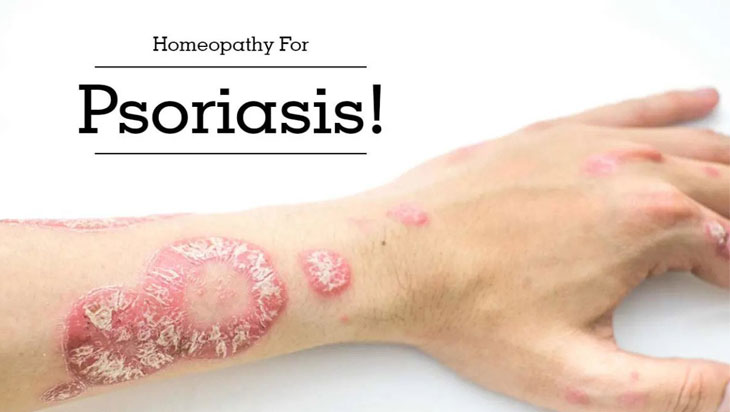
Psoriasis is a long-term skin disorder that results in red, thickened patches on the skin, with the shedding of silvery scales. The condition may be accompanied by discomfort, itching and/or pain.
The skin is made up of layers and skin cells that undergo a cycle of 28 days. This means the cells which are formed in the lower layer gradually move upwards and appear on the surface after 28 days to be shed. However, in psoriasis, the cells start growing very rapidly, without waiting for the earlier ones to shed, which leads to a build-up of a thick layer of cells, leading to the thickening of the skin, and red patches with scaling in the affected area.
Effects of psoriasis on other parts of the body
Joints: Psoriasis is associated with joint problems in about 5 to 10% patients. In fact, joint pain may sometimes be the only sign of the disorder, with the skin being completely clear. The joint disease associated with psoriasis is referred to as psoriatic arthritis. Patients may have inflammation on any joints, although joints of the hands, knees and ankles tend to be most commonly affected. It is a destructive form of arthritis, and is treated with medications to stop the progression of the disease. The average age for the onset of psoriatic arthritis is 30 to 40 years. Usually, skin symptoms precede the onset of arthritis.
Nails: Psoriasis may solely involve nails in a small number of patients. Usually, these signs accompany skin infections as well as arthritis symptoms. Nail psoriasis is, typically, very difficult to treat.
Psoriasis – Causes
Psoriasis is considered to be an auto-immune condition in which the immune cells of the body mistakenly attack the body’s own skin cells. This triggers an abnormal response, resulting in a rapid growth of cells, which leads to thickened skin and excessive shedding of scales.
The triggers of auto-immunity are not well understood. However, auto-immunity tends to run in families, and a genetic background has been verified in many cases. There may be a family history of some kind of auto-immune disease, though not necessarily psoriasis.
Stress, infections, cold weather, friction and injuries to the skin are known to precipitate as well as aggravate psoriasis.
Which areas are affected by psoriasis?
The common areas affected by psoriasis are the lower back, knees, elbows, ankles, hands, feet and scalp. Psoriasis can vary in intensity from mild to extremely debilitating cases. The disease can progress to affect other areas of the body, apart from those mentioned above. It can also spread to the nails and joints. In several cases, there are phases when the symptoms worsen (relapse) and periods when the condition is spontaneously resolved (remission).
Who gets psoriasis?
About 1 to 2% of the general population is affected by psoriasis, and it is increasingly becoming common. The incidence is higher amongst young adults, though it can strike at any age. Psoriasis can affect both sexes. Many psoriasis sufferers go through depression, anxiety, social isolation, unemployment, marital impairment and sexual impairment. There have been cases of psoriasis sufferers with suicidal tendencies due to the social stigma associated with the condition.
Psoriasis is not infectious; it cannot be passed from one person to another through physical contact.
Psoriasis – Treatment
Homeopathy is considered to be the most ideal method for treating Psoriasis. Dr H.M. Soni Homoeopathic Hospital offers most suitable Worldclass homeopathic treatment for Psoriasis after detailed examination of the individuals, their symptoms and condition.