Skin Problems
Vitiligo ( सफ़ेद दाग )
Home / Vitiligo




Vitiligo – Overview
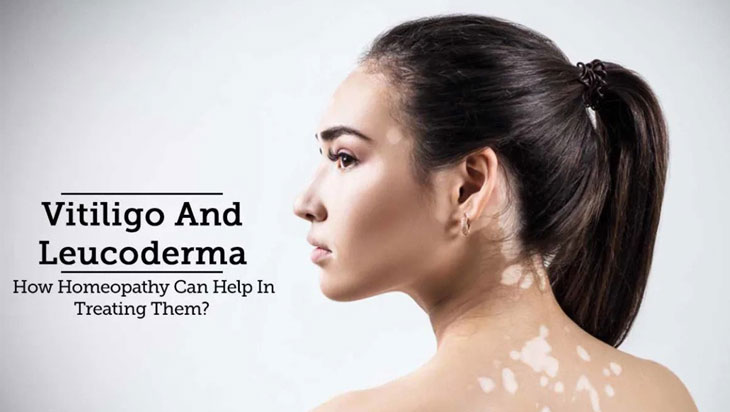
Vitiligo is a common condition in which the skin loses the pigment that determines its colour. It is also known as leucoderma (leuco = white; derma = skin). Vitiligo is characterised by irregular, pale or milky white patches on the skin.
What is vitiligo?
A pigment called melanin imparts skin (and hair) with its native colour. This pigment is produced in cells called ‘melanocytes’. When melanocytes die or are unable to function, it results in the loss of melanin, causing colourless, white patches on the skin, leading to vitiligo.
Note that every off-white or white patch on the skin is not vitiligo. There are many other causes of white patches, namely, fungal infection, birthmarks, inflammatory conditions of the skin, etc. Vitiligo is just one of the causes of white skin patches.
Vitiligo is a chronic disorder, and it tends to run an unpredictable course. It affects up to 1% of the global population, and the incidence is almost double (3% to 4%) in India and Mexico. People of different races, religions, ethnic groups, socio-economic groups and with different dietary habits are affected by this condition.
Vitiligo affects males and females equally, and it is commonly seen in children as well. The incidence is higher in children when both parents are affected by vitiligo. Usually, people develop it between age 10 and 30, and almost all do so before the age of 40.
Vitiligo – Causes
The underlying mechanism which causes vitiligo is loss of melanin. This occurs due to the destruction of existing melanocytes and defective formation of new melanocytes. However, the precise reason for white spots on the skin is the loss of melanin, but what causes the destruction of these pigment-forming cells is not completely understood.
Vitiligo – Symptoms
The key vitiligo symptom is the sudden onset of a single, few or many milky white patches of irregular shapes and sizes on the skin. Small areas of de-pigmentation gradually start spreading to involve larger areas of the body. The patches appear more prominent on dark-skinned people and can be quite disfiguring at times.
As far as the progress and reasons for white spots on the skin are concerned, they are highly unpredictable. Some cases experience an extremely fast advancement, with quick involvement of large areas of the body, whereas in some cases, there may be a few small patches that do not change much with time. The active phase of development of new patches can be followed by a phase that does not present any new patches.
The affected areas retain normal sensitivity to touch and pain; however, sensitivity towards the sun increases in many cases. Even hair over the affected parts (skin, scalp, beard, eyebrows, eyelashes, etc.) may lose its colour.
Vitiligo Treatment
Conventional treatment
Photo chemotherapy
Micro-pigmentation (tattooing)
Skin grafts
Possible side-effects of conventional treatment*
Severe sunburn and blistering
Short-term results
If the disease is not controlled, it can recur
Scarring
Advantages of homeopathy
Oral medicines, no burns, no side-effects
Long-lasting results
Corrects the melanin destruction, thus preventing recurrence
No scarring